How to Choose the Right Fire Extinguisher for Your Business in Kenya
Not all fire extinguishers are the same. Using the wrong type can make a fire worse. This guide explains the 5 types of fire extinguishers available in Kenya, which fires they fight, and how to choose the right one for your premises.
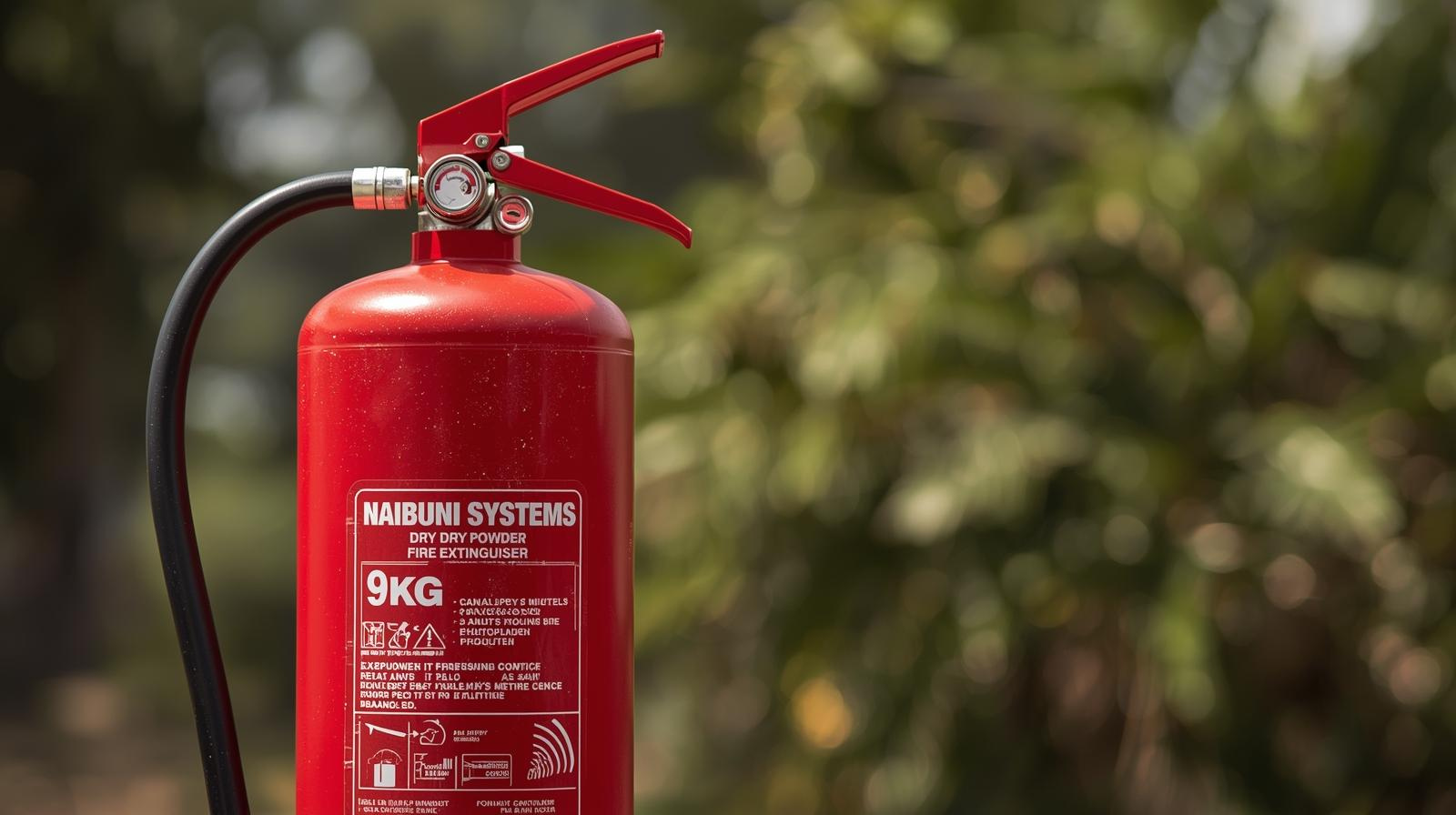
Every year, hundreds of businesses in Kenya suffer devastating fire losses that could have been prevented — or minimised — with the correct fire extinguisher. The critical word is correct. Using the wrong extinguisher on a fire can actually make it worse, spread it, or put the user at serious risk.
This guide walks you through the 5 main types of fire extinguishers available in Kenya, which fires they are designed for, and the exact scenarios where each one should be used.
Understanding Fire Classes in Kenya
Before choosing an extinguisher, you need to understand fire classes. Kenya follows the European BS EN 3 classification system:
- Class A: Solid combustibles — paper, wood, cardboard, textiles, plastics
- Class B: Flammable liquids — petrol, diesel, paint, solvents, oils
- Class C: Flammable gases — LPG, propane, butane, methane
- Class D: Combustible metals — magnesium, titanium (rare; specialist use)
- Class F: Cooking oils and fats — chip fryers, commercial cookers
- Electrical: Not an official class, but all extinguishers must state if they are safe near live electrical equipment
Type 1: Dry Powder (ABC) — The Most Versatile
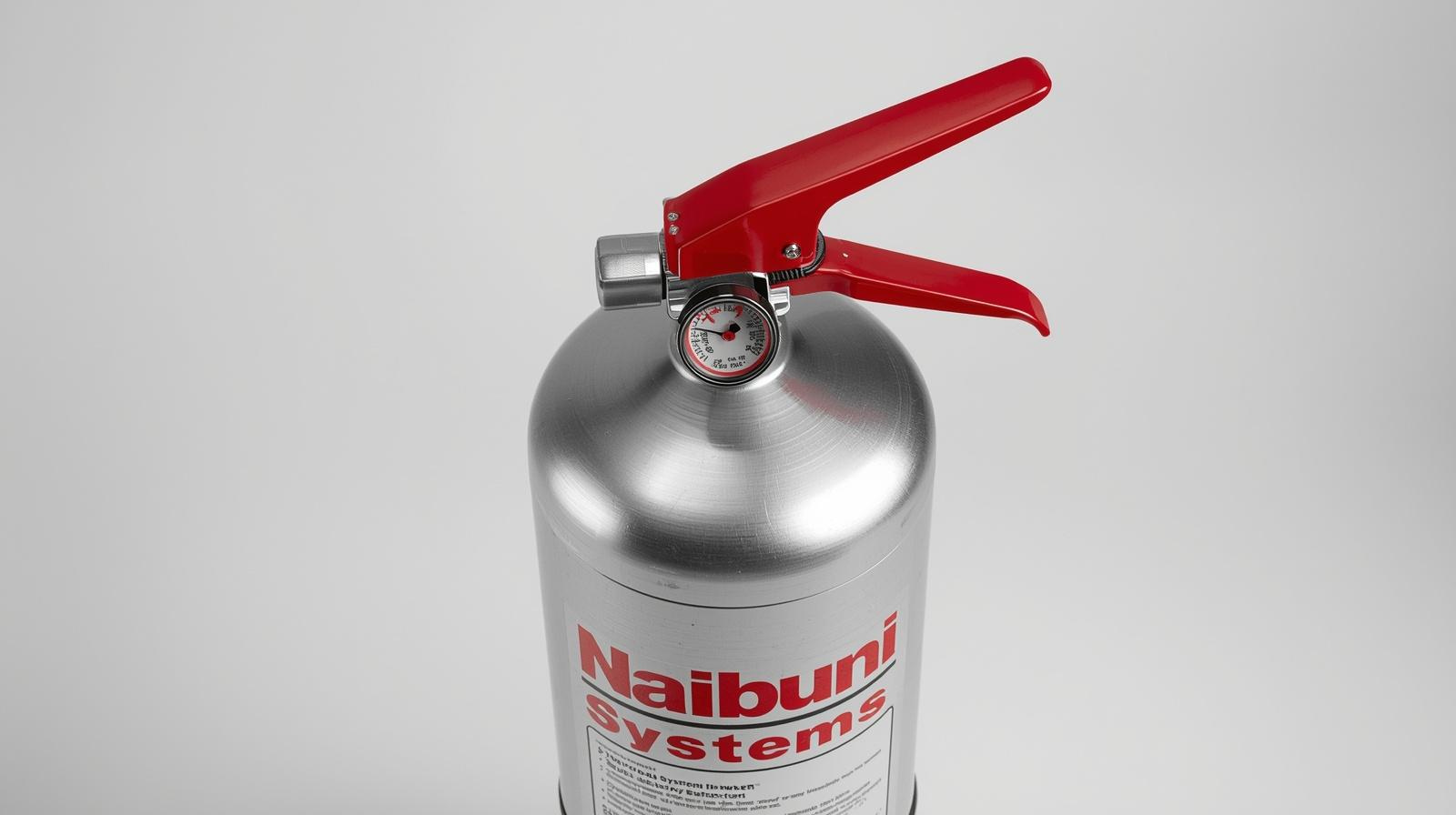
Dry powder extinguishers are the most widely used fire extinguishers in Kenya. They are rated for Class A, B and C fires, making them an excellent all-rounder for most commercial premises.
Available sizes: 1kg, 2kg, 4kg, 6kg, 9kg
Best for: Warehouses, factories, garages, offices, shops, vehicles, schools
Avoid in: Enclosed spaces with sensitive electronics (powder causes damage and is hard to clean)
Type 2: CO₂ (Carbon Dioxide) — Best for Electronics
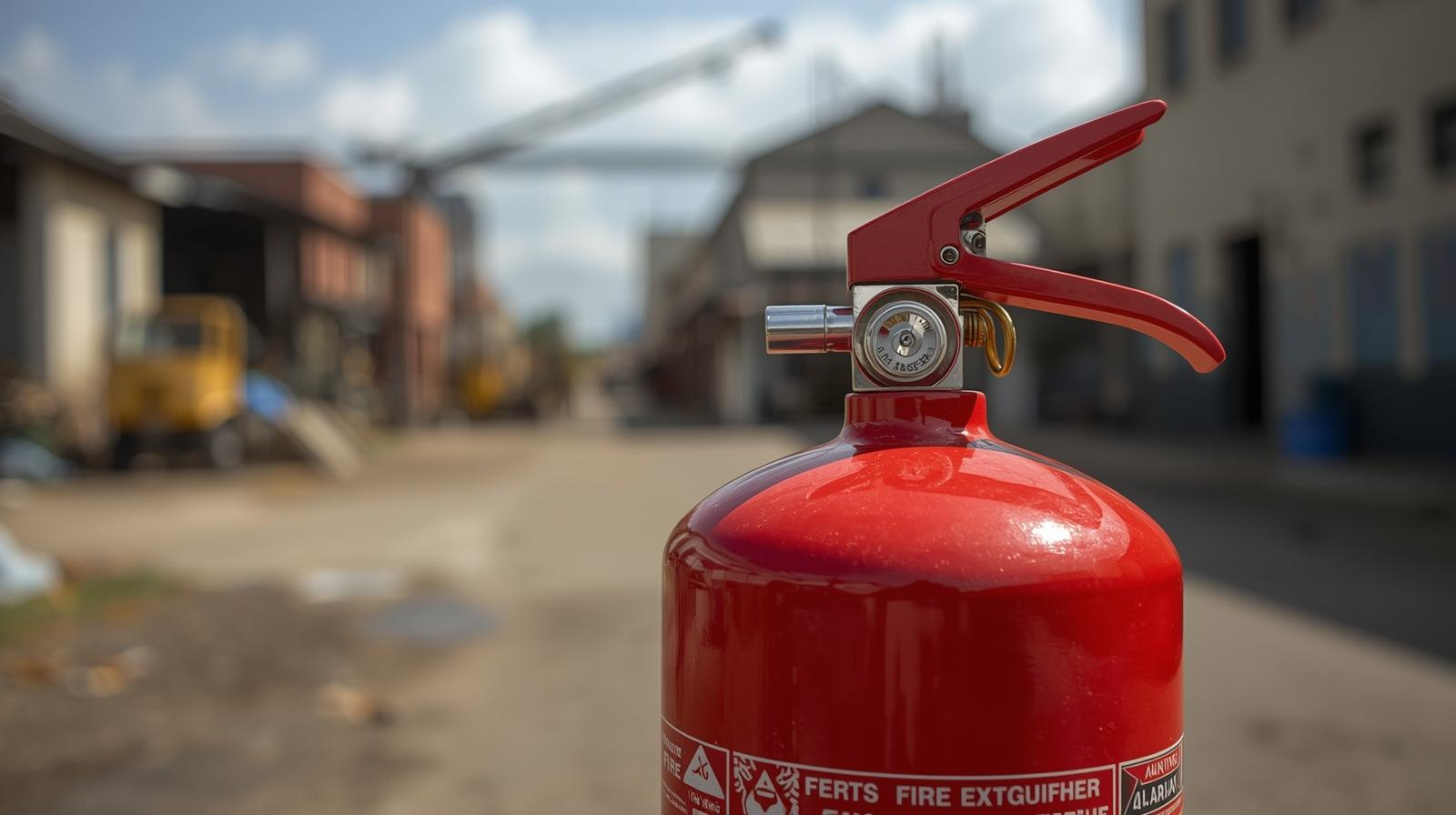
CO₂ extinguishers work by displacing oxygen, smothering the fire without leaving any residue. This makes them the number one choice for server rooms, data centres, offices with computers, and anywhere with expensive electronic equipment.
Available sizes: 2kg, 5kg
Best for: Server rooms, data centres, office environments, laboratories, electrical panels
Safe on live electrical equipment: Yes — up to 1,000 volts
Type 3: Foam (AFFF) — Best for Liquid Fires
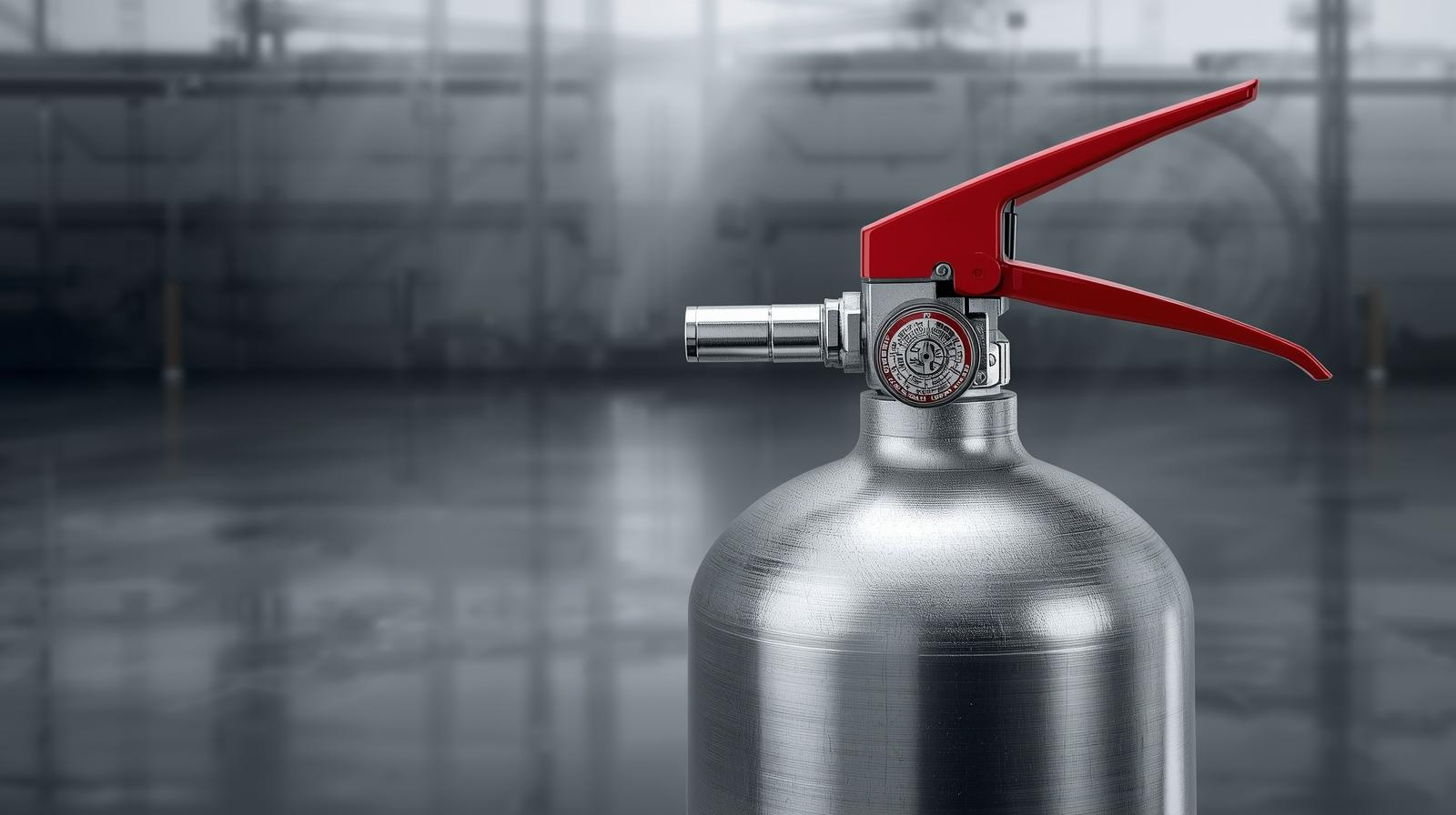
Foam extinguishers use Aqueous Film Forming Foam (AFFF) to smother flammable liquid fires. The foam creates a physical barrier between the fuel and oxygen, rapidly extinguishing the fire and preventing re-ignition.
Available sizes: 6 litres, 9 litres
Best for: Petrol stations, car parks, paint stores, fuel storage areas
Avoid on: Cooking oil fires (use wet chemical instead), electrical equipment
Type 4: Wet Chemical — Mandatory for Commercial Kitchens
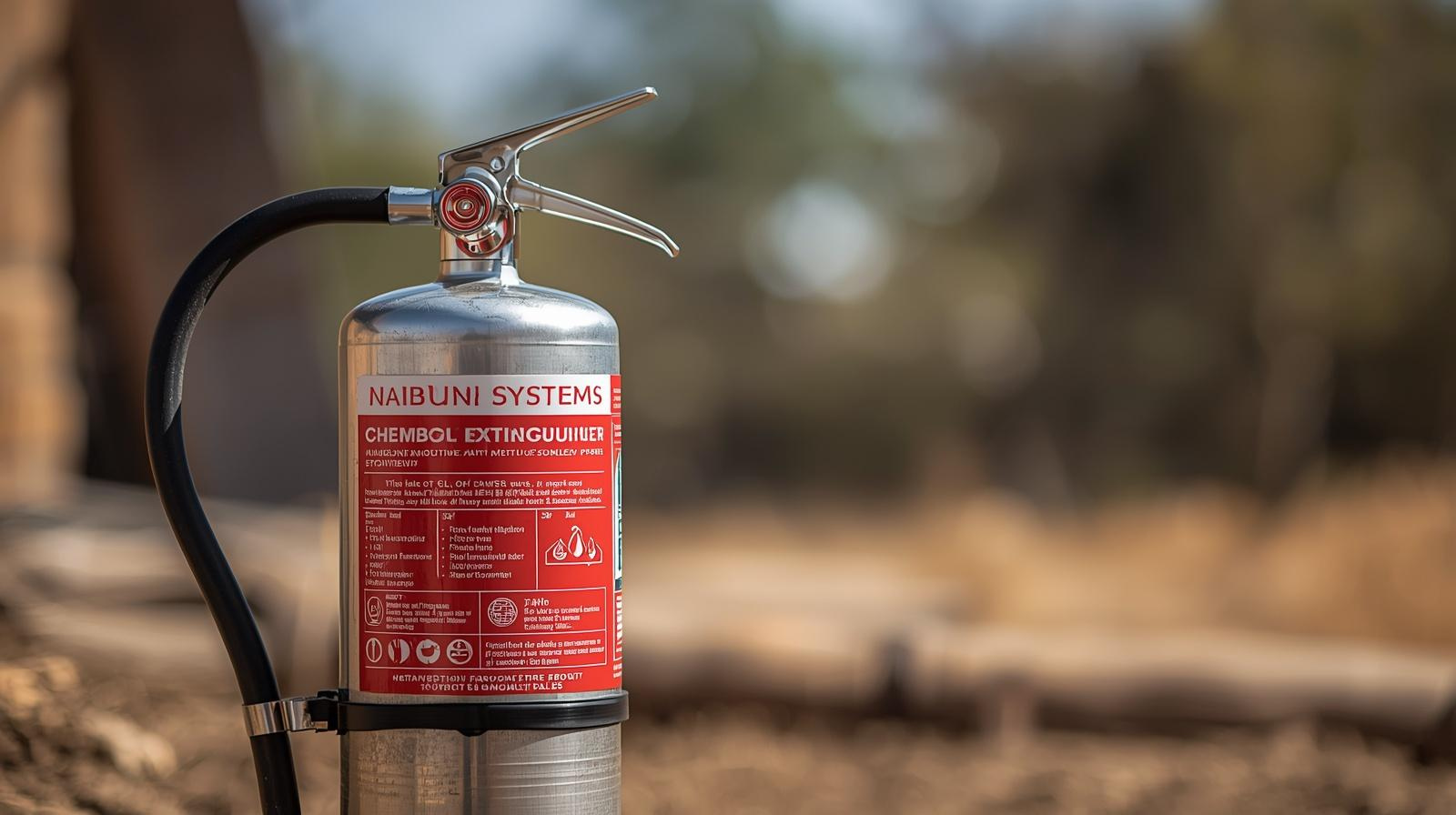
Wet chemical extinguishers are specifically engineered for Class F fires involving hot cooking oils and fats. When discharged, the agent reacts with hot oil to form a soapy crust (saponification) that seals the surface and prevents re-ignition while cooling the oil simultaneously.
Best for: Restaurants, hotel kitchens, school canteens, hospital kitchens, industrial fryers
Legal requirement: Kenya's fire safety regulations require a wet chemical extinguisher in all commercial kitchens. Failure to comply can result in your premises being closed during a fire safety inspection.
Type 5: Water — Purest Form for Solid Fires
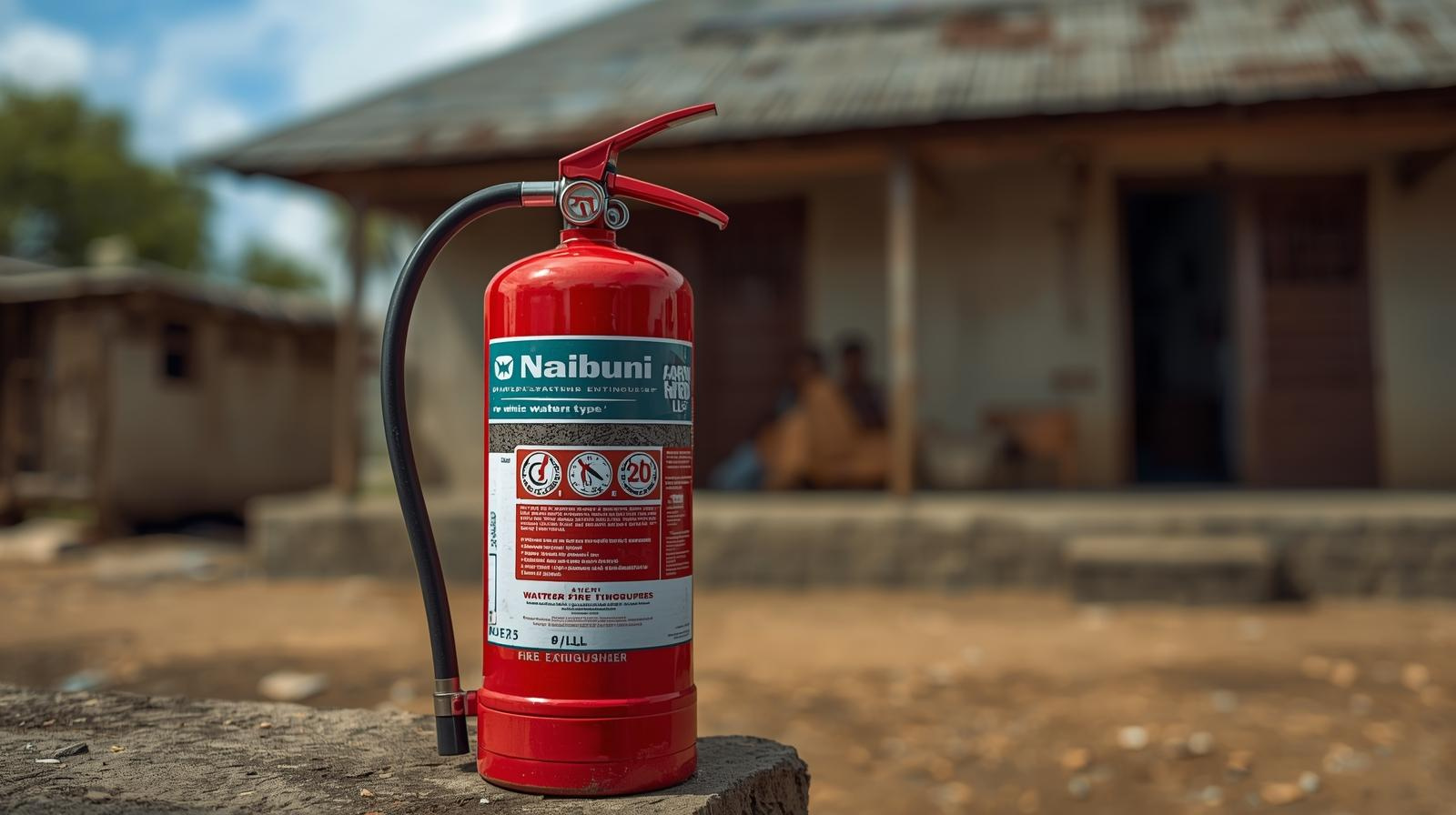
Water extinguishers are the most effective for Class A fires involving solids like paper, wood, cardboard and textiles. The water cools the burning material below its ignition temperature, preventing re-ignition.
Best for: Schools, offices, libraries, hospitals, churches, public buildings
Never use on: Electrical equipment, burning liquids, cooking oil fires
Quick Reference: Which Extinguisher for Which Premises?
| Premises Type | Recommended Extinguisher(s) |
|---|---|
| Office / School / Hospital | CO₂ (for electrics) + Water or Foam |
| Restaurant / Hotel Kitchen | Wet Chemical (mandatory) + Dry Powder |
| Warehouse / Factory | 9kg Dry Powder + Hose Reel |
| Server Room / Data Centre | CO₂ only (no residue) |
| Petrol Station / Garage | Dry Powder + Foam |
| Vehicle / Car | 1kg or 2kg Dry Powder (car-mounted) |
| Supermarket / Shop | Dry Powder + CO₂ |
How Many Do You Need?
Kenya's fire safety regulations (based on the Kenya Building Code and KEBS standards) generally require:
- At least 1 extinguisher per 200m² of floor area
- Maximum travel distance of 30 metres to the nearest extinguisher
- Extinguishers on each floor of multi-storey buildings
- Annual servicing with a compliance certificate
Get a Free Fire Safety Assessment
Not sure which extinguishers your premises need? Naibuni Systems offers a free fire safety assessment for businesses in Nairobi and surrounding counties. Our certified fire safety engineers will survey your premises and recommend the exact extinguishers and quantities required to meet Kenya's fire safety regulations.
Call us on 0710 907 628 or visit us at Development House, Moi Avenue, Nairobi.
Need fire safety equipment?
Naibuni Systems supplies certified fire extinguishers, suppression systems and fire safety equipment across Kenya. Free consultation available.